.svg)
Replace rigid phone lines with flexible, cloud-based voice that keeps your business connected, reduces overhead, and adapts as you grow.
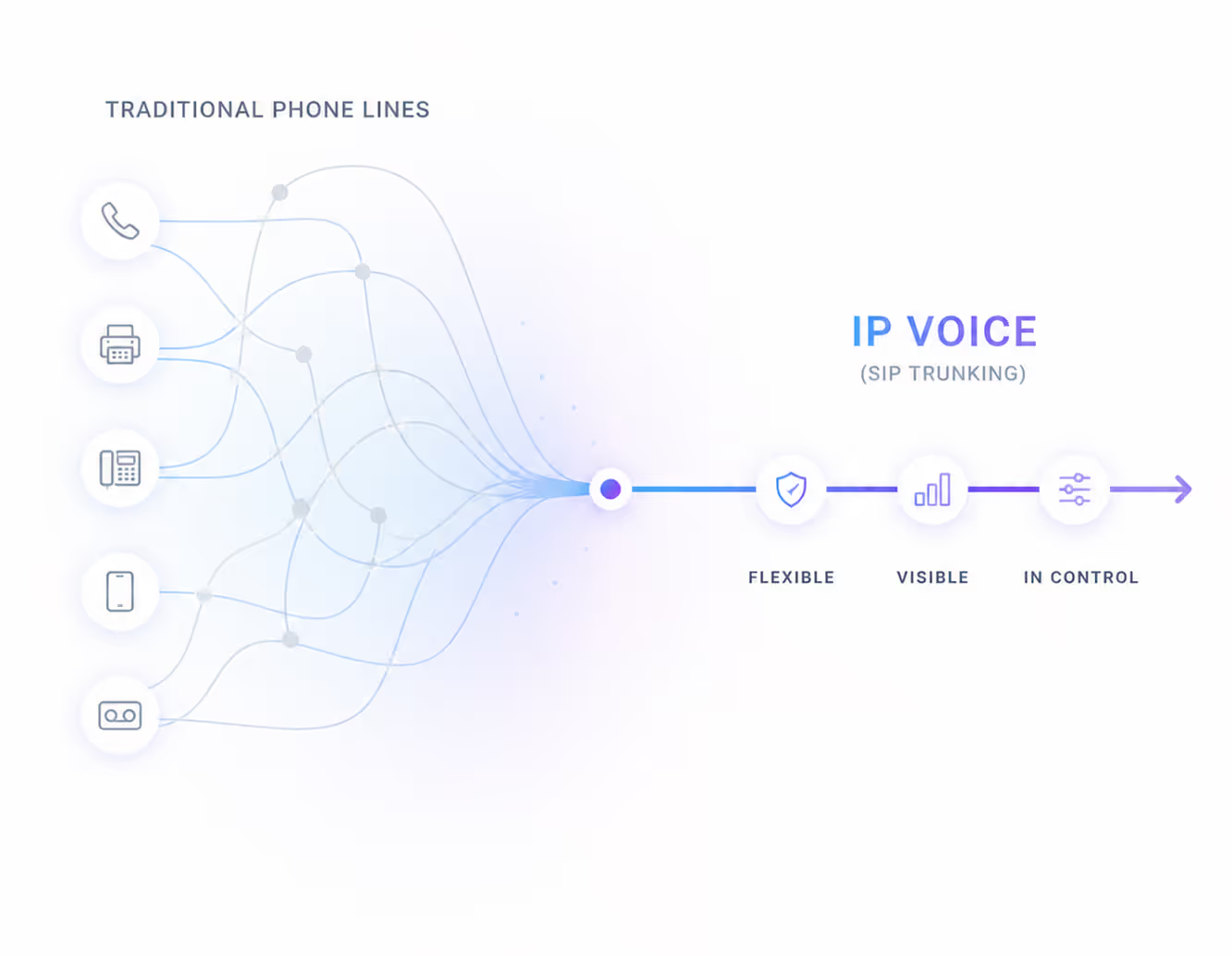
Broadvoice SIP Trunking replaces traditional phone lines with secure IP connectivity. It gives you a more flexible way to manage voice, routing calls through your existing PBX or cloud platform with greater visibility and control.

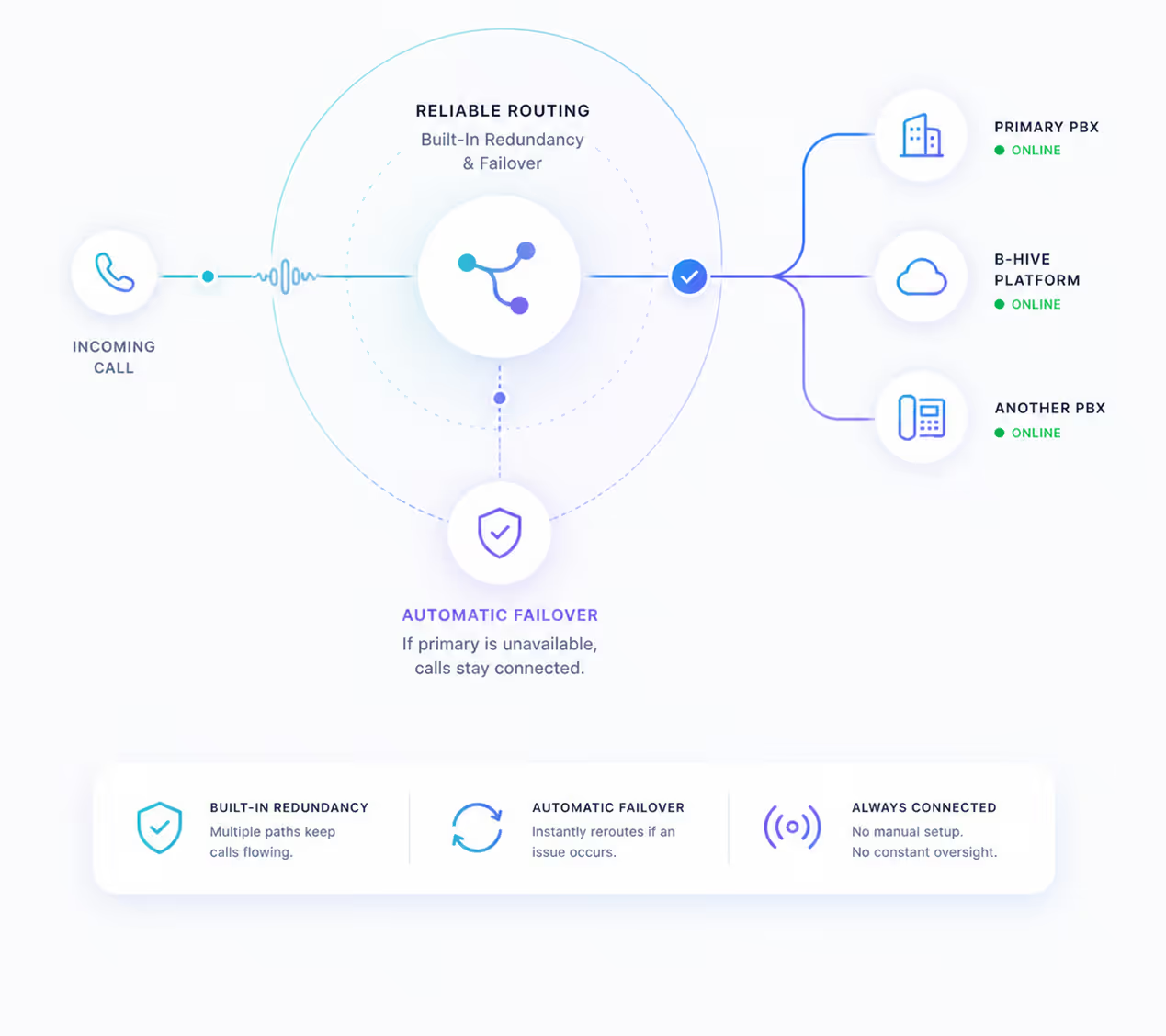
Calls are routed across your existing PBX or b-hive platform with built-in redundancy and failover. This lets everything stay connected without manual setup or constant oversight.
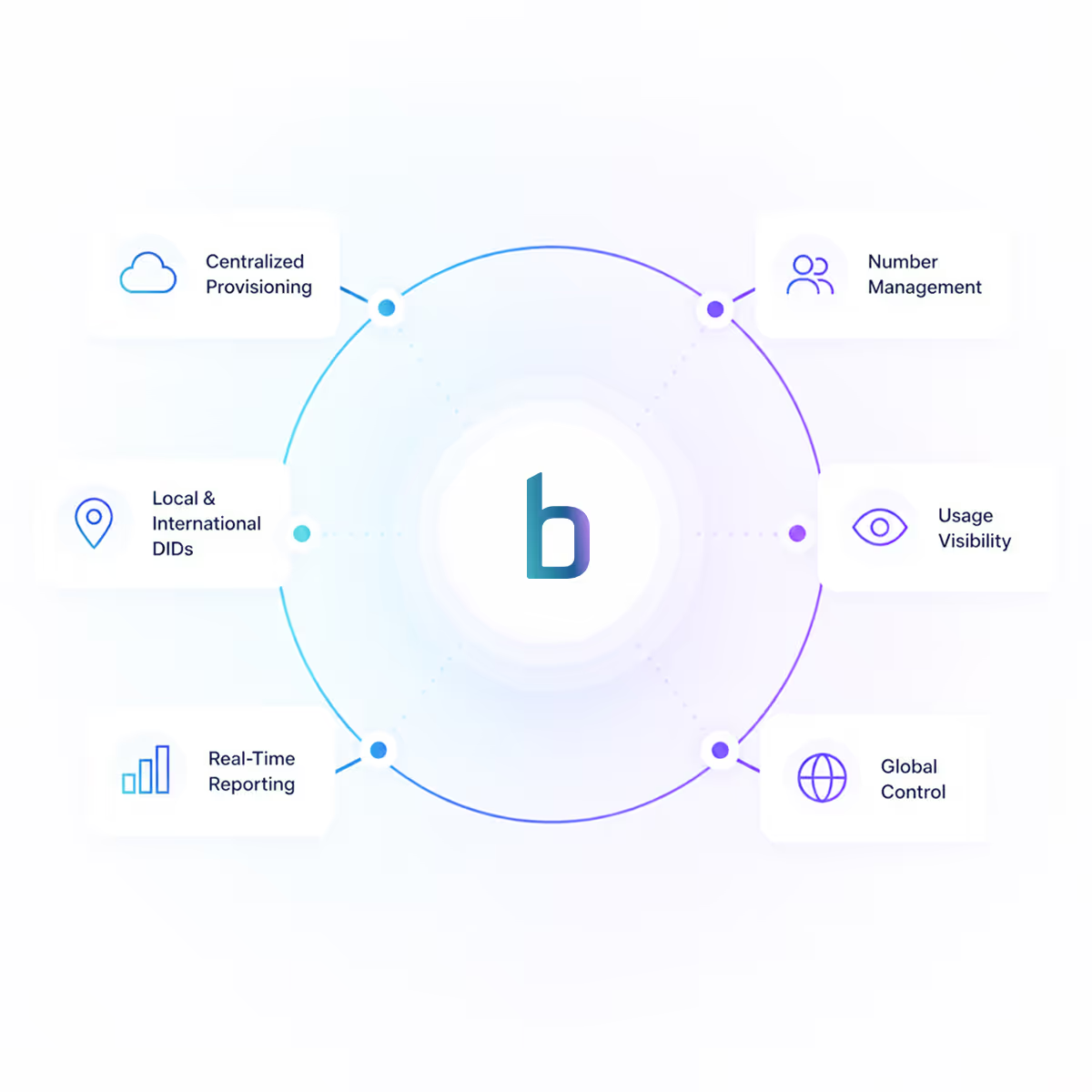
IT teams get centralized provisioning, number
management with local and international DIDs, usage visibility, and real-time reporting, without managing physical circuits or carrier sprawl.
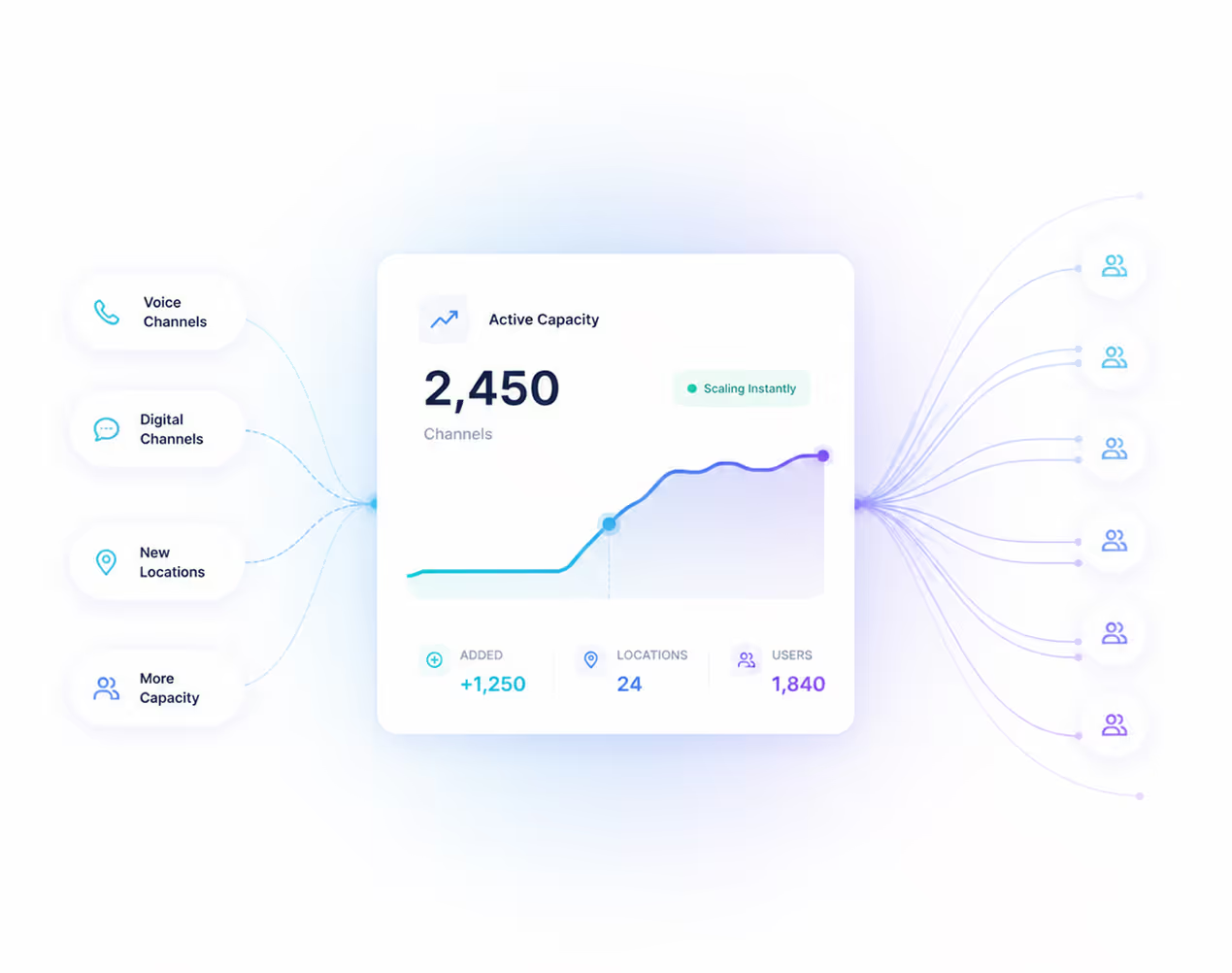
Add channels, locations, or capacity on demand. From there, scale up for peak demand or down as needed, without expensive hardware changes.
Everything your team needs to scale, without any added complexity.
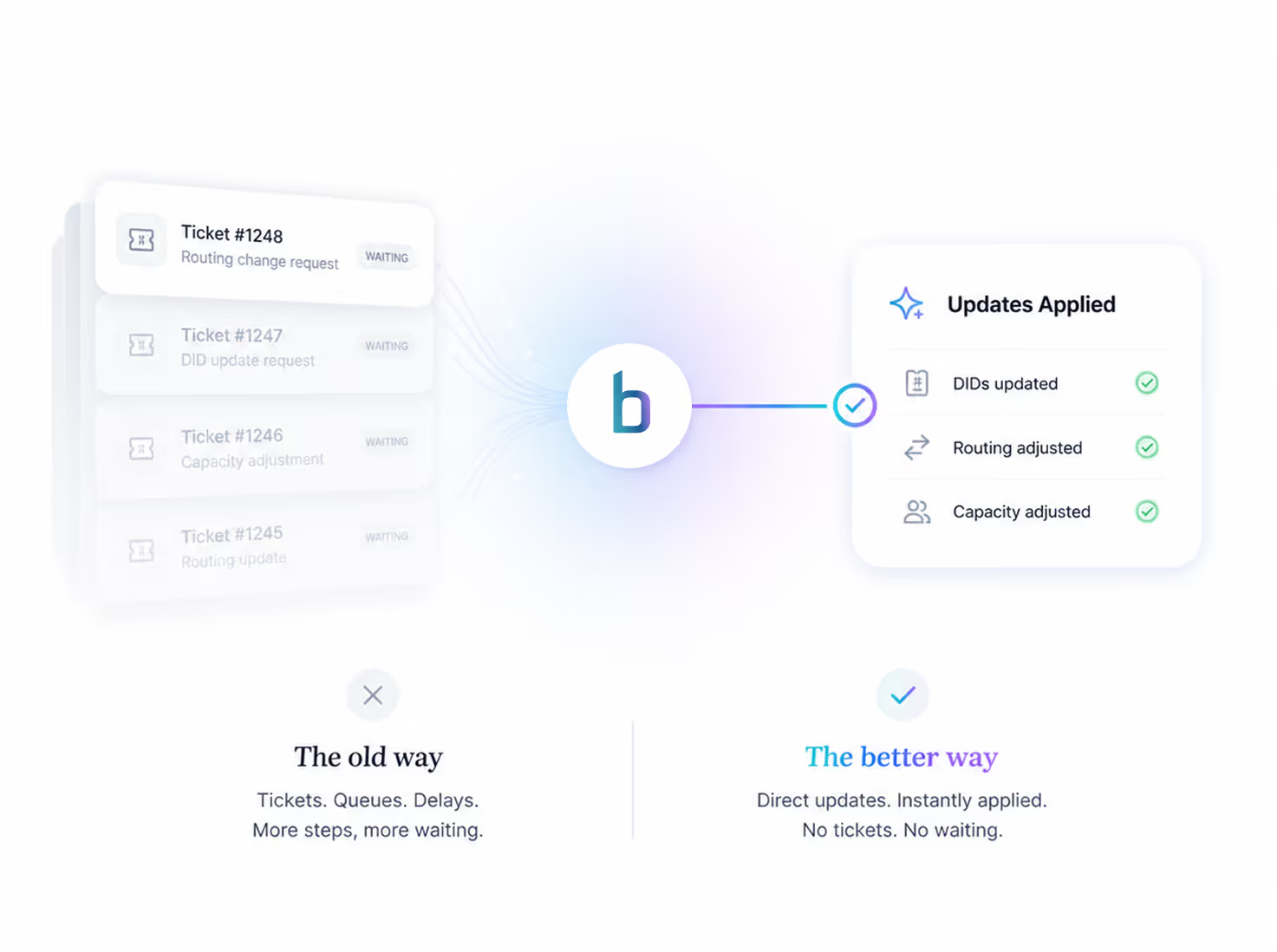
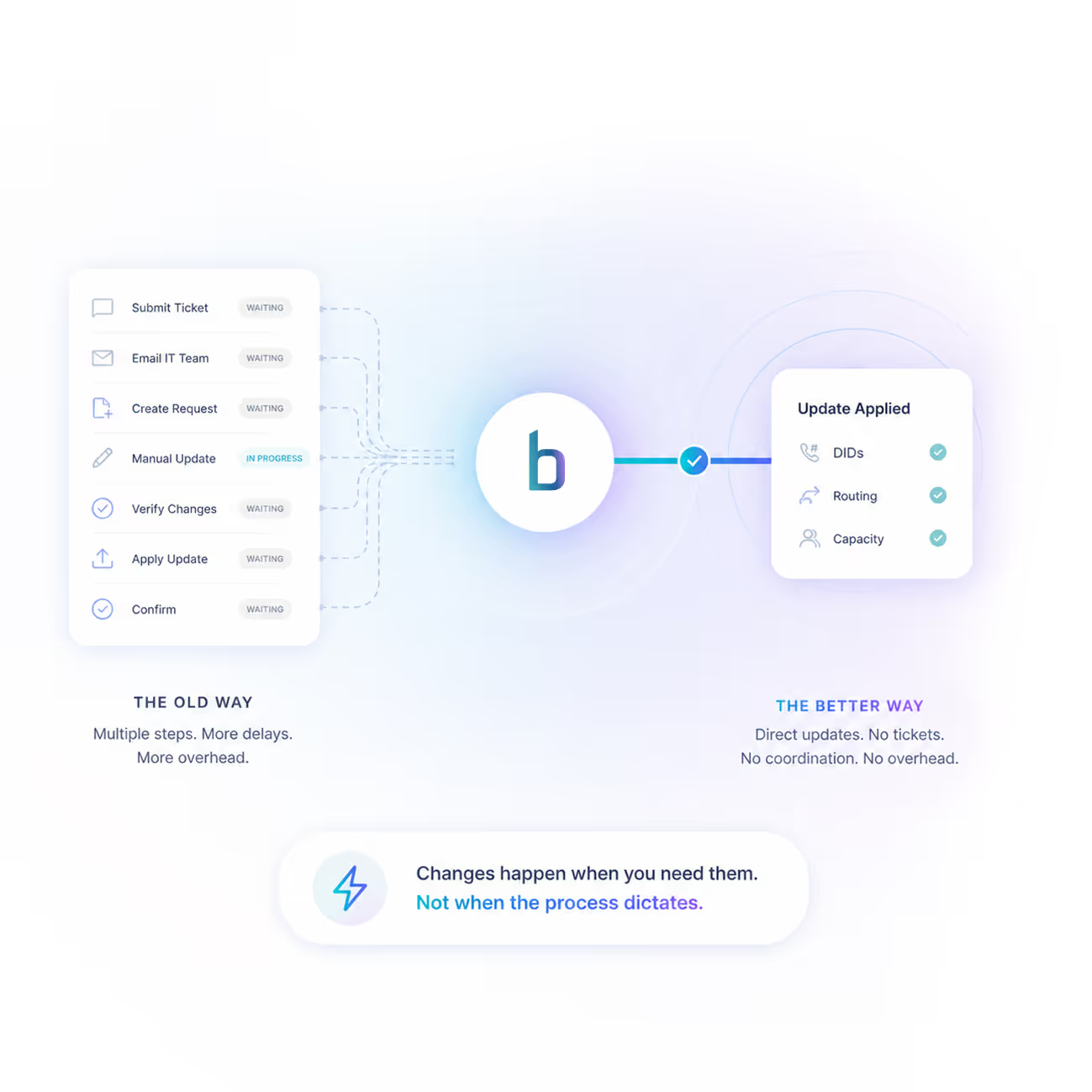
Update DIDs, routing, and capacity directly, without tickets or coordination. That means changes happen when you need them, not when the process dictates.
When your voice infrastructure is flexible, your operations just work better. Changes happen faster, costs stay predictable,
and calls connect reliably, without complexity or overhead.